How Reverse the Red went from 2,000 pledges to global scale

Reverse the Red ·
Reverse the Red

The challenge

Reverse the Red rallies conservationists around the world to take action for threatened species. As the initiative grew, thousands of conservation commitments were coming in from organizations across the globe, and the team needed a scalable, publicly searchable solution to organize, search, and share that information. What began as a simple pledge collection effort was becoming critical infrastructure for coordinating global conservation work.

What we built

We built a web application that collects conservation commitments, connects them to trusted species databases, and makes the information structured, searchable, and publicly accessible. The platform turns thousands of individual actions into a shared, global dataset, helping conservationists find each other, governments see where work is happening, and the broader community coordinate efforts to protect threatened species.
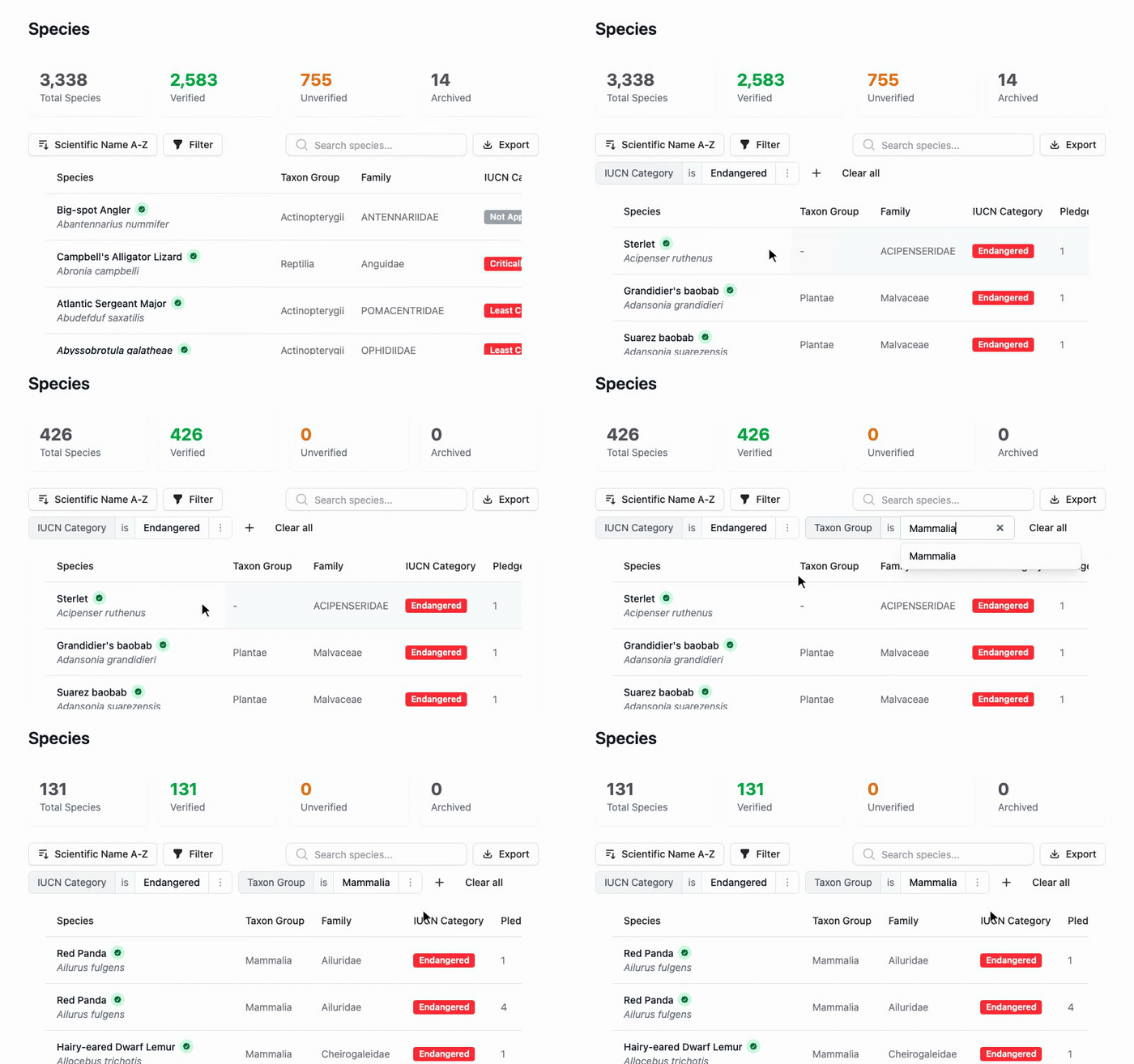
Filtering species pledges by threat level, country, and organization
Search & Filter

Find out who's working on what

The platform creates a global view of conservation action, allowing organizations to filter by country, species, and organization.

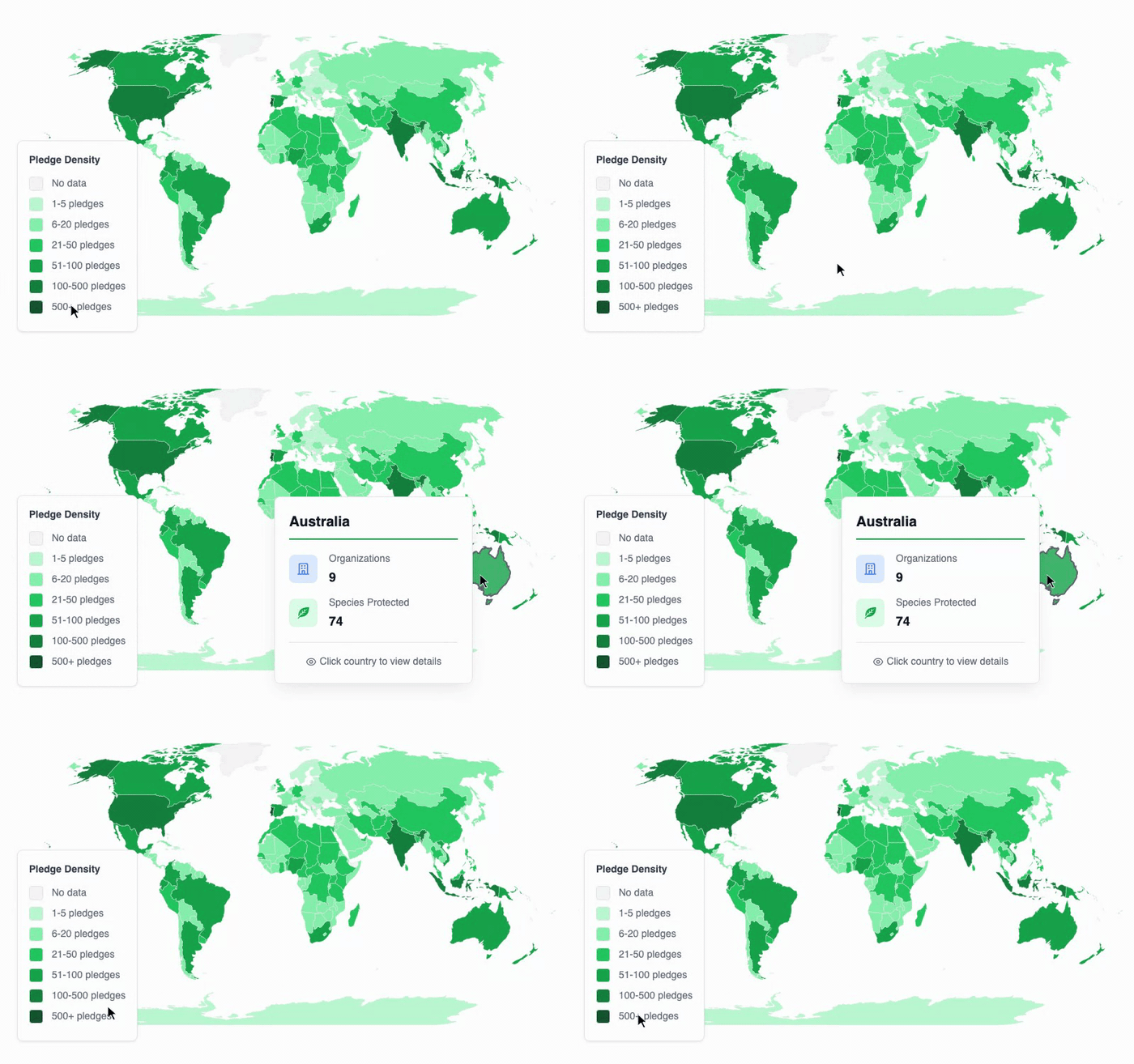
Interactive map showing conservation pledges across 172 countries
Global Map

See the whole picture at a glance

An interactive map shows where conservation action is happening across 172 countries. Hover on any country to see how many organizations are active and which species are covered — the kind of visibility that used to take weeks to compile.

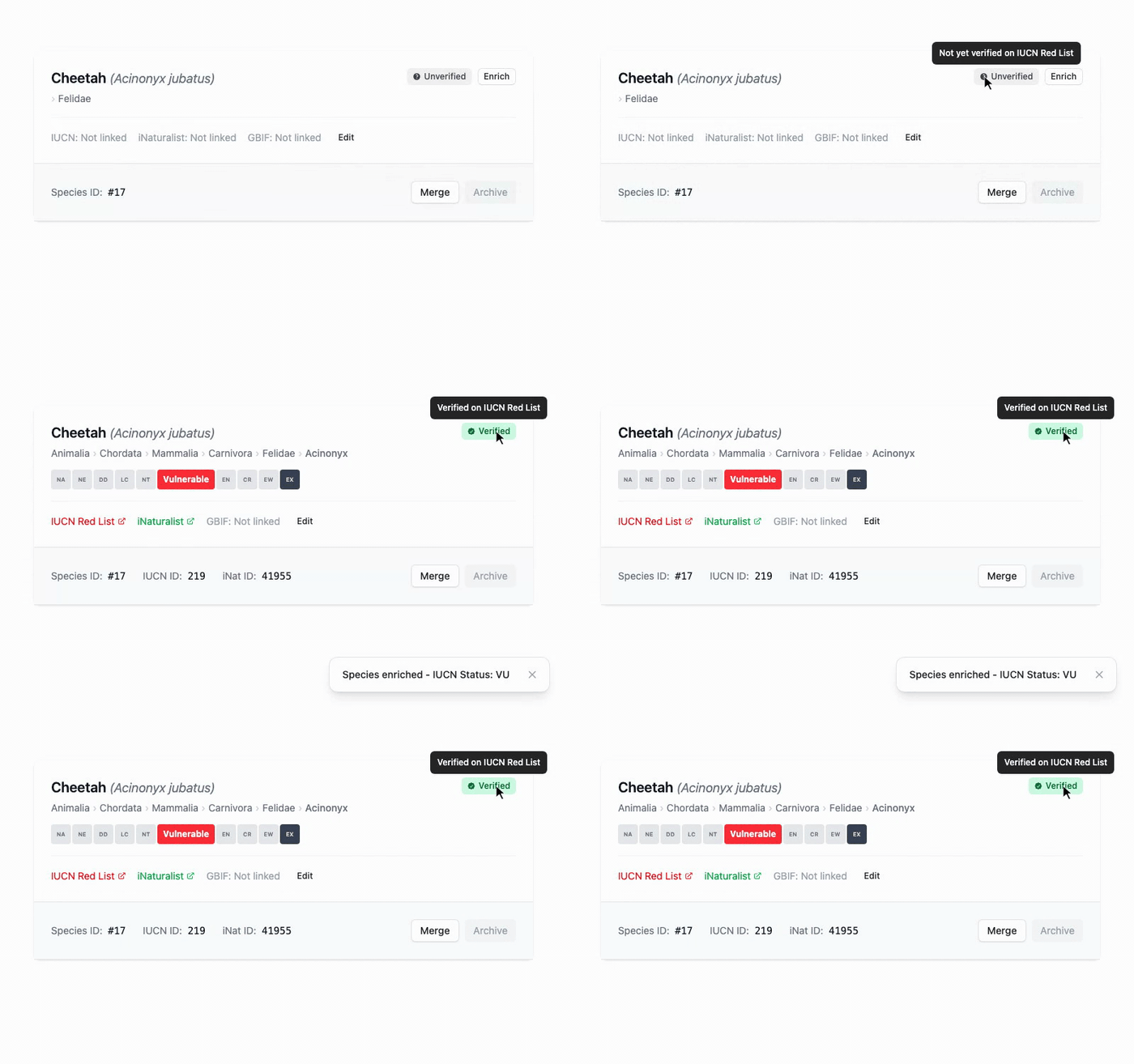
One-click species data enrichment pulling conservation status and taxonomy
Data Enrichment

Use clean data for faster reporting

When someone pledges action for a species, the app validates and enriches it with data from the IUCN Red List, iNaturalist, and GBIF, so every record is accurate from the start.

“We had more pledges in the first month after launching the app than we did in the prior 18 months with our old system.”

Michael Clifford, Reverse the Red

Michael Clifford

Reverse the Red

Watch the interview

What made it work

The technology mattered, but the success of the platform came from how Reverse the Red designed it around people, incentives, and real conservation work.

Built trust before building software

Reverse the Red had already spent years building relationships with conservation organizations, governments, and global networks. When the platform launched, there was already a community that trusted the initiative and wanted to participate.

Started with a real problem, not a tech idea

The pledge system already had more than 2,000 commitments before the app existed. The software simply removed the bottleneck, turning a fragile survey system into infrastructure that could scale.

Made participation extremely easy

Submitting a pledge takes only a few minutes and asks for only the most essential information. Low friction made it possible for thousands of organizations to contribute without adding extra work.

Created value for participants

When they make a pledge, organizations can gain visibility for their work, discover collaborators working on the same species, and align their efforts with national and global biodiversity goals.

Collected only the data that matters

Many scientific databases try to capture everything, which makes them difficult to use and maintain. The team deliberately kept the platform focused on a few essential questions so participation stayed easy and the system remained scalable.

Used storytelling to drive momentum

The pledge platform fuels a steady stream of positive conservation stories, showing how organizations around the world are helping species recover and inspiring others to join the effort.