


When a nonprofit is founded, a generalist leads the way. They must fundraise and market and organize and operate. They have to be very good at lots of things. Only 25% of nonprofits ever make it to more than $100,000 in revenue per year, and one reason is because it’s very difficult for one person to do all the things well. Founders are built different.
As a nonprofit grows to a million in revenue, new problems arise requiring specialized skills. When they hit ten million, the problems grow exponentially. As the org grows, they will hire new talent, and talented people want to work with specialized tools.
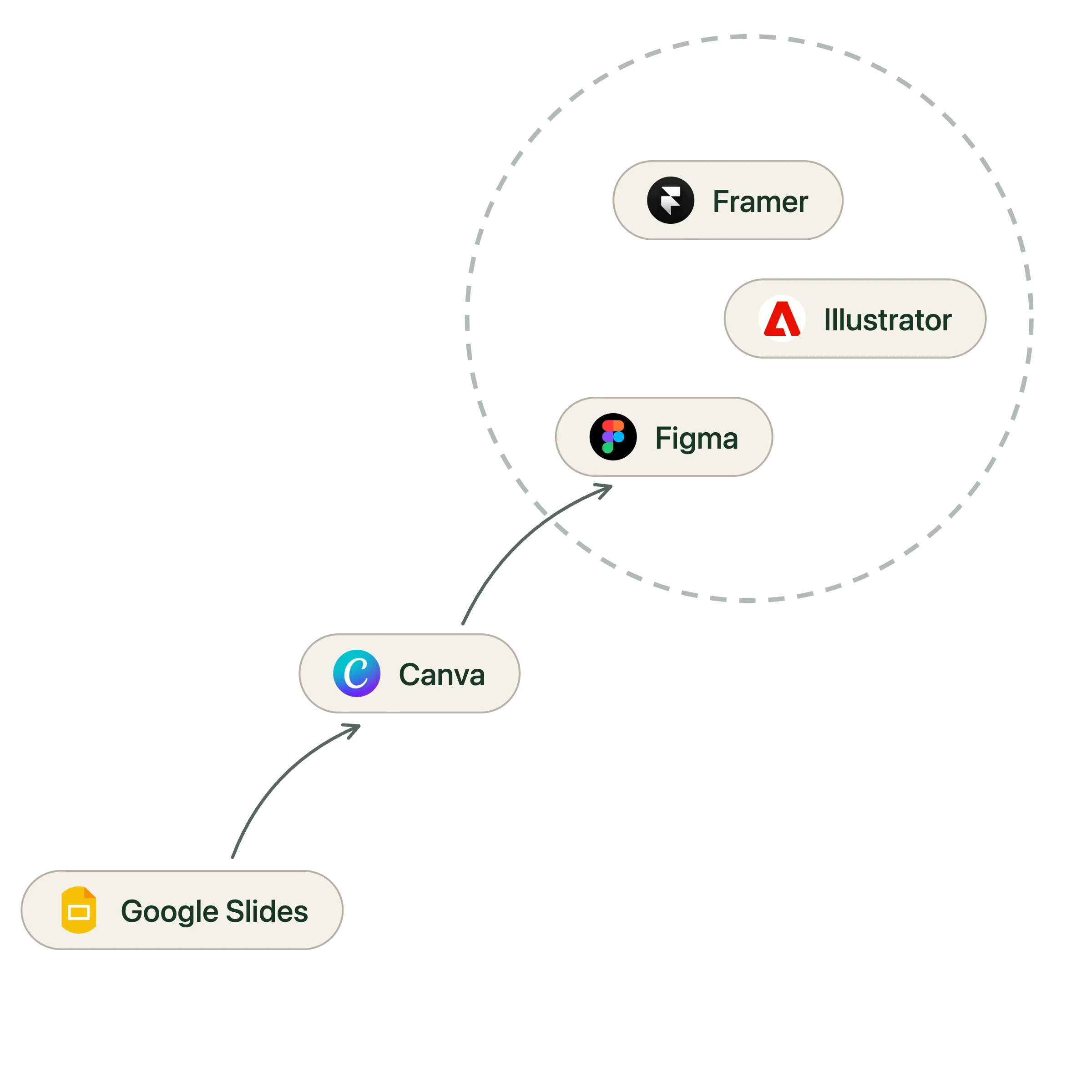
For instance, in the beginning the early generalists at the org (usually the first 5 hires) won’t have any design tools. They’re essentially winging it with a brand guide and slides. When a true marketing person is hired, they may bring on Canva for design needs. This will open the door for social media posts and board decks and annual reports all created from a singular brand guide. And yet, Canva is still a generalist’s tool. As the organization continues to scale, they may hire a full time designer who will probably reach for Figma, Illustrator, Framer, and a few others.
As the organization grows the demand for specialization increases and the tech stack becomes more complex.
The same might be true for the program team.
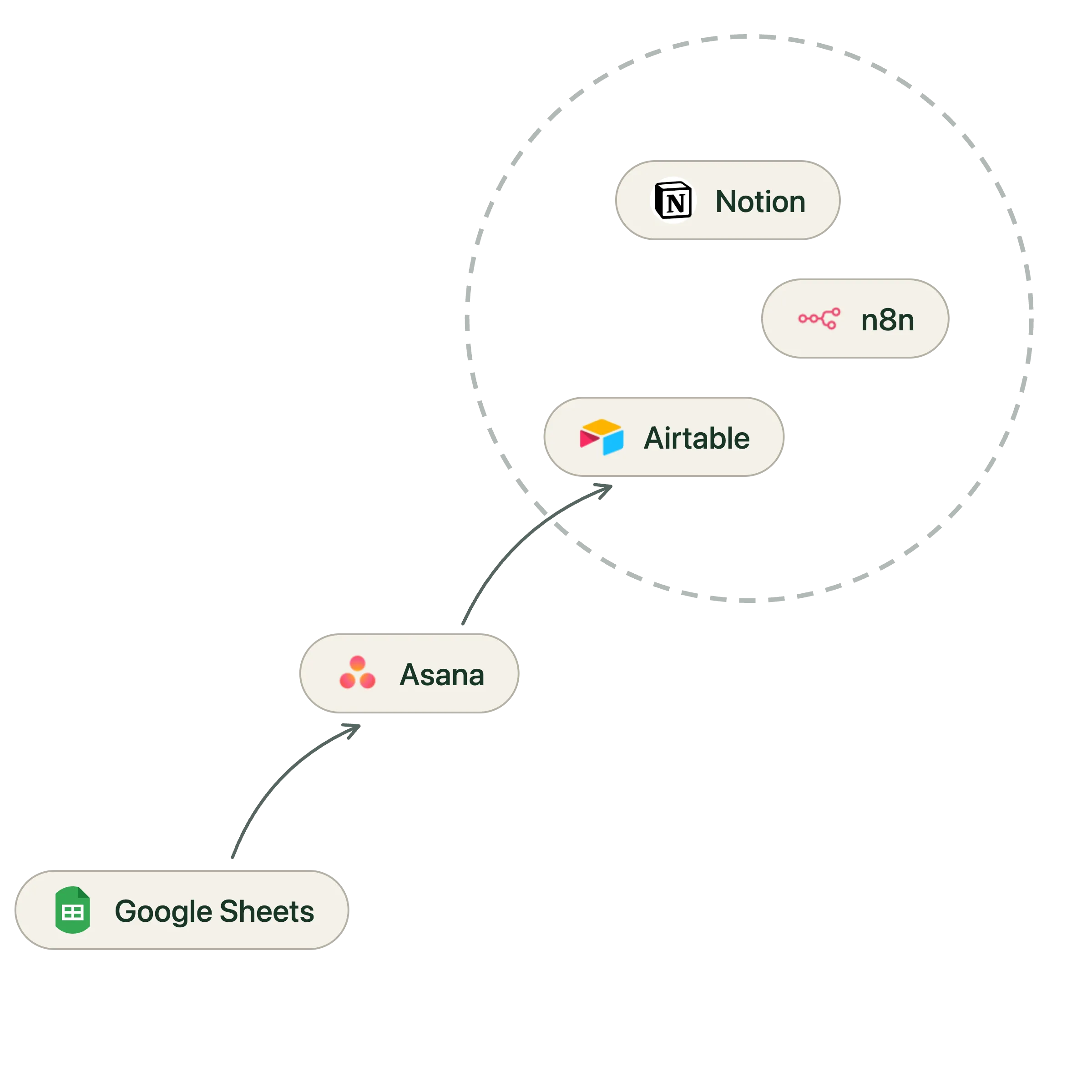
In the early days, the spreadsheet is the answer for everything. But soon, they’ll look for tools like Asana to help them manage lots of projects at once. As the organization grows further, they may need even more specialized tools for bespoke processes and may lean on a stack like Airtable, n8n, and Notion.
I’ll do one more.
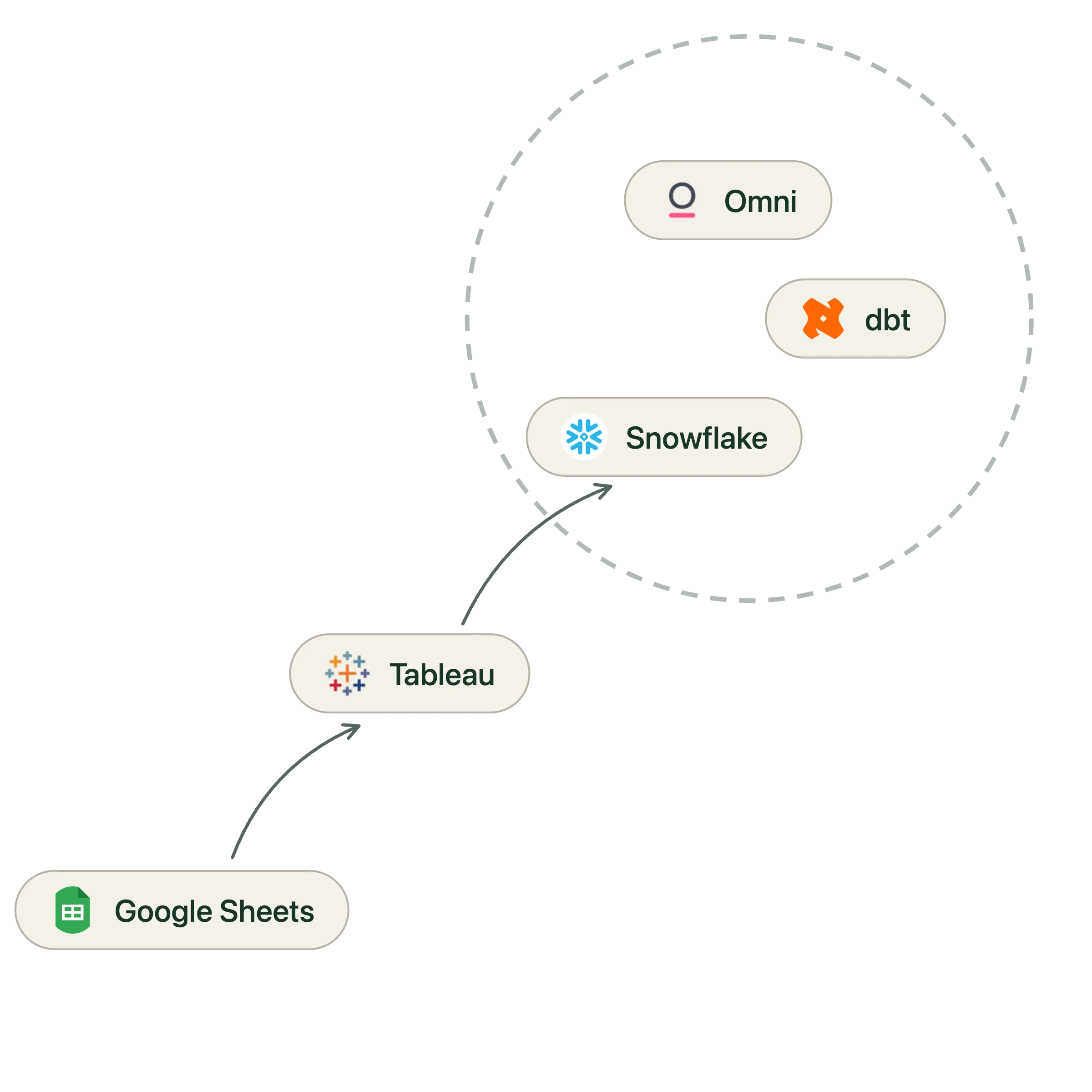
Early on, the person in charge of operations relies on spreadsheets to create reports. But as the data becomes more complicated and the sources more varied, they may bring on a data analyst or even a data engineer. They’ll build a data warehouse in Snowflake and collaborate on saved queries in dbt and visualize data in Omni.
This pattern is true for every facet of the organization. Accounting, Payroll, Development, Email Marketing, Social Media, and so many more.
Lots of frustration with software happens when generalists try to use specialized tools or when specialists are forced to use generalist ones.
Here are three suggestions.
Let the specialist pick the tool
If you have the privilege of working with a specialist (they tend to be quite expensive), let them choose their own tools. Don’t make them work against the grain with bad tools to try to save money on software.
If you want a one stop shop, you might be a generalist
If you feel yourself angling for a “one stop shop” to eliminate the complexity, just remember this is the impulse of a generalist. Depending on your stage of growth, that could be exactly what you need, but the “one stop shop” has a ceiling, and your most talented team members may be the ones who bump their heads on it.
Pay for training, not licenses
Buying specialized tools does not magically give you the ability to use them. A Figma license does not make you a designer. (I can attest.) If your organization needs stronger analytics, don’t purchase Tableau licenses. Find someone on your team with the appetite and aptitude to learn and then pay for them to go to a training. My manager suggested this to me 10 years ago, and that became my entry point to technology. I’ve been building ever since. I even created training of my own. :)
Until next week,
Ted
PS We’re doing an information session about the Tech Savvy Nonprofit Cohort on Wednesday, May 27th at 9am Central. If you are curious about the cohort, we’d love to chat. Just reply to this email and we’ll send you the invite.